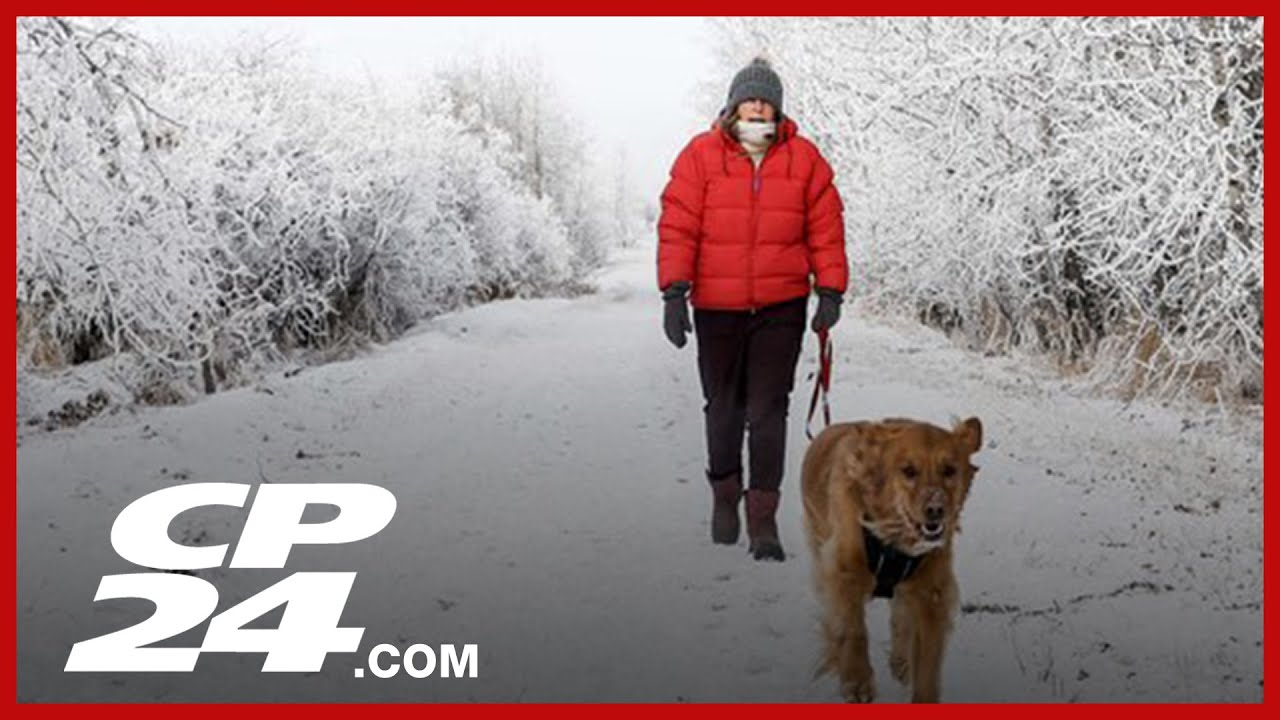
Extreme Cold Weather Grips Toronto: A Meteorologist’s Insight
As winter deepens, Toronto and much of the eastern United States brace for an arctic blast that presents both chilling temperatures and hazardous conditions. Dave Phillips, a meteorologist from Environment Canada, recently provided a detailed analysis of this extreme weather phenomenon that is expected to impact millions.
The current situation is stark. While areas like British Columbia and the Yukon evade direct weather warnings, communities in Toronto are gearing up for a potential cold warning as temperatures and wind chill values are projected to plunge below -30 degrees Celsius. Phillips emphasized the unusual nature of this winter so far, stating that the region has experienced a mix of January thaws and significant cold snaps. Where temperatures typically hover around -2 degrees Celsius in January, recent readings have dipped to alarming lows, with forecasts predicting -22 degrees tonight.
This winter has not only been marked by extreme cold but also by substantial snowfall. Phillips noted that Toronto has already received up to a year’s worth of snow, even though we are only halfway through the season. As if the cold wasn’t enough, a storm brewing to the south could deliver an additional 10 to 20 centimeters of snow this weekend, further complicating conditions for residents.
The dramatic shifts in weather—warmth interspersed with crippling cold—are not only unsettling but also indicative of broader changes. Phillips mentioned that the duration of the extreme cold poses additional challenges. This frigid spell began roughly five days ago, and forecasts suggest it may persist for another two weeks. Although there may be brief thaws, the overall trend appears to indicate colder-than-normal temperatures throughout February.
Time and again, meteorological models signal a pattern of fluctuating temperatures, and while a brief respite might occur early in the month, experts warn that cold air is likely to invade at least into March. This uncertainty reflects the challenges faced by meteorologists in predicting weather in a world where climate change is making extremes more frequent and severe.
Yet, amid the discomfort, Phillips maintains a focus on what can be gleaned from these harsh conditions. Canada, as he notes, is recognized as the second coldest country in the world, renowned for its snowy winters. This reputation, while sometimes tough to bear, is intertwined with the Canadian experience and reflects adaptability in the face of Mother Nature’s whims.
Residents are advised to take precautions. Staying indoors seems to be the most prudent response, especially as exposure to frigid temperatures can lead to serious health risks. Common sense dictates bundling up and minimizing outdoor activities, especially for those vulnerable to the cold.
In these periods of extreme weather, community awareness becomes crucial. Understanding the potential dangers of frostbite and hypothermia can save lives. As Phillips succinctly articulated, the cold is not merely an inconvenience; it necessitates respect and caution.
This winter serves as a reminder of nature’s capacity to disrupt lives. It forces individuals to confront the realities of extreme weather and its implications for daily life, from transportation delays to safety concerns. The ongoing situation in Toronto encapsulates a broader narrative — one where resiliency and awareness become essential in navigating a world marked by climate unpredictability.
As we anticipate the upcoming storm and brace for more cold weather, the words of Dave Phillips resonate: prepare, stay informed, and, perhaps, consider hibernating where possible. It’s more than just a punch of winter weather—it’s a challenge to be met with foresight and care.